 0
0
 273
273
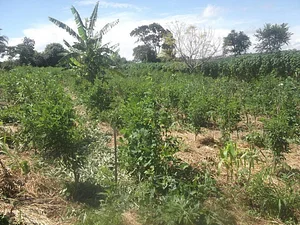
SAFs Apícolas com uso de PANCs e Plantas Medicinais Hortícolas
Summary description
The Coletivo de Agroecologia de Jaboticabal (CAJa) actively maintains and develops agroforestry systems (SAFs) that integrate beekeeping with the cultivation of edible wild plants (PANCs) and medicinal herbs, creating a diverse and sustainable farming model. By combining these elements, CAJa fosters biodiversity while providing multiple benefits to local ecosystems and communities. The incorporation of PANCs and medicinal plants into these systems not only contributes to the resilience of the agroecological landscape but also offers a valuable resource for promoting food sovereignty and community health. This approach aligns with CAJa’s commitment to preserving native species, creating alternative food sources, and enhancing the local environment.
Through its work, CAJa has refined its SAFs to include a variety of horticultural species alongside the cultivation of PANCs and medicinal plants, which serve both ecological and economic functions. These systems support the health and productivity of honeybee populations, as well as other pollinators, by providing a diverse and sustainable food source. Additionally, medicinal herbs are integrated into the landscape, contributing to the well-being of local communities by offering natural remedies and supporting traditional knowledge. By promoting such diverse systems, CAJa seeks to create a model that can be replicated in other regions, encouraging the adoption of integrated agroecological practices that prioritize ecological harmony, health, and sustainability.